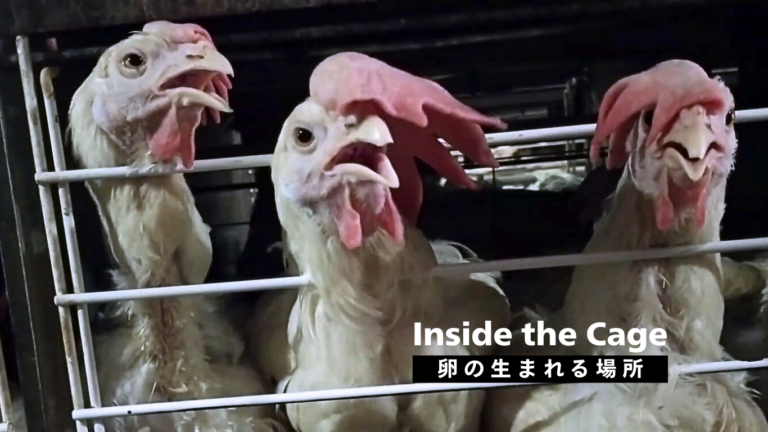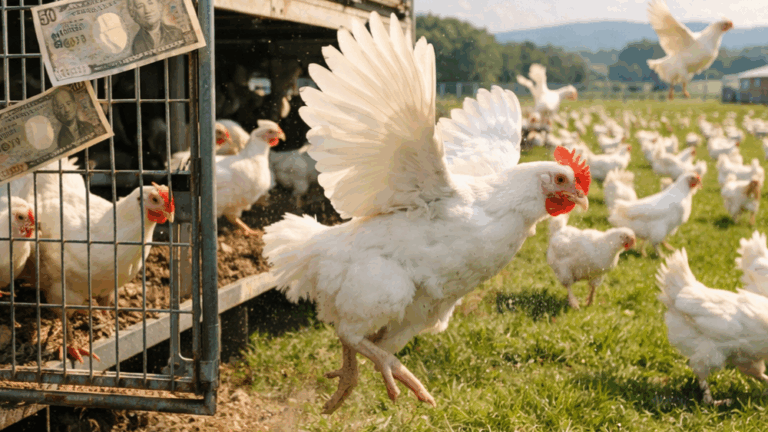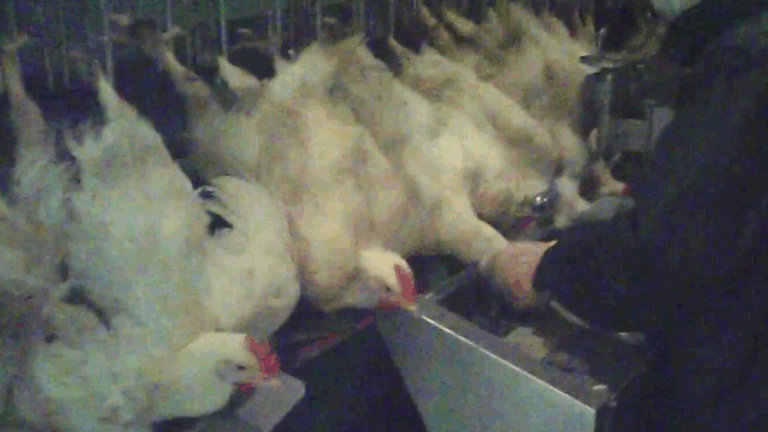

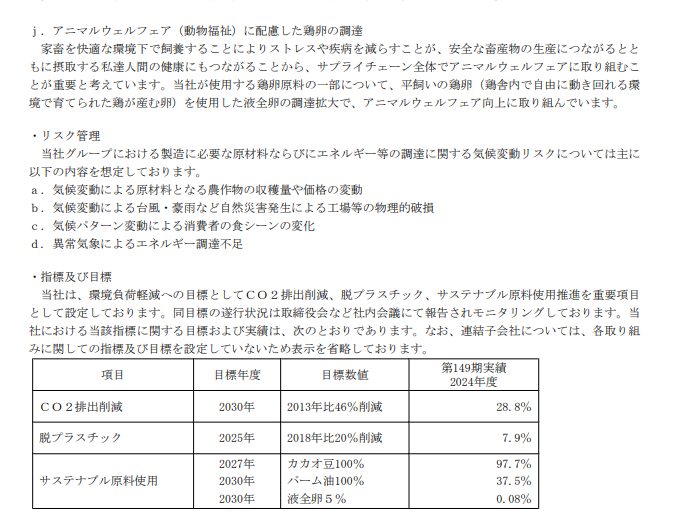
Bourbon, founded in 1924, announced in its 149th Annual Securities Report released on June 20, 2025, that as a company that respects animal welfare, it has set an immediate target of “5%” for switching to cage-free eggs.
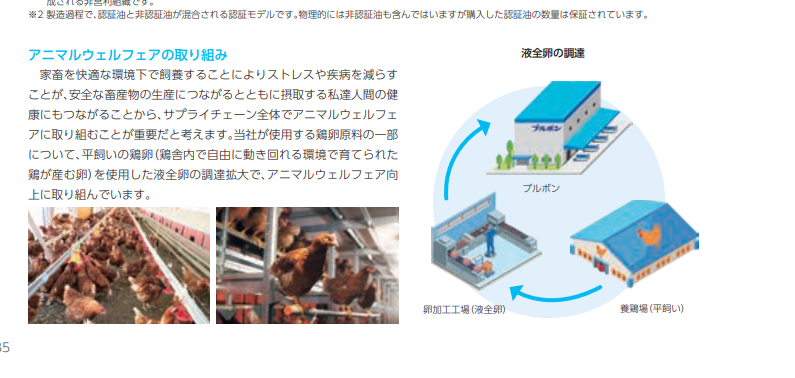
In addition, the “Integrated Report 2025” recognizes that raising livestock in a stress-free environment is also related to human health, and stresses the need to address animal welfare throughout the supply chain. It also states that a portion of the eggs it procures will be converted to heifer eggs, and that it plans to increase this ratio in the future.
More than 100 years of history and the Bourbon brand spreading around the world
Bourbon was founded in 1924 and has produced many long-selling products as one of Japan’s leading confectionery manufacturers. Historically, the previous year had seen the Great Kanto Earthquake, and the founder of Bourbon realized the company’s mission of providing dreams to hurting children and families as he witnessed the reconstruction of the disaster area. However, the depletion of confectionery ingredients at that time was unimaginable, and the history of Bourbon’s founding was truly a series of hardships and challenges to establish a stable supply system of ingredients and products.
Since then, Bourbon has built a solid and robust distribution network in Japan and has developed a wide range of products, including biscuits, chocolates, rice crackers, and confectionaries, and has won over generations of fans. As is well known, the company has also steadily expanded overseas, particularly in Asia, Europe, and the United States.
In recent years, Bourbon products have become increasingly popular as “Japanese souvenirs” for foreign tourists visiting Japan, especially because they are highly valued overseas for their excellent cost performance and high quality for the price.
The unique taste, consistent quality, and careful packaging are the reasons why they have gained support across borders.
For a company with such an international base of support, sustainability, especially animal welfare, is directly linked to brand value. Bourbon’s clarification of its animal welfare policy is an essential step in its global strategy, as it is required to procure products for overseas markets in line with international standards.
2025 is the “year limit” for the global cage-free transition
In the world, more than several hundred food companies have committed to “transitioning to cage-free eggs by 2025,” and in Japan, famous foreign hotels are taking action one after another.
Notably, the shift to cage-free is rapidly expanding in Asia, especially among major companies, and in some ways, throughout the country. Bourbon’s decision to publicly state its cage-free policy at this “2025” milestone is a progressive move among Japanese companies and one that is attracting attention from abroad.
What Bourbon’s 5% Target Means
Bourbon’s “5%” is modest by global standards. However, the fact that a major Japanese confectionery company has stated its cage-free policy in an official document has a significant impact on the industry.
The effort required to switch ingredients is not small, especially since Bourbon offers many baked goods and chocolate confections that use eggs.
Still, taking the step to transition to heirloom eggs and stating that they will “expand” is an important step that could trigger change throughout the food supply chain.
Animal welfare throughout the supply chain
The Integrated Report 2025 clearly states that
“Animal welfare is related to human health”
“It needs to be addressed throughout the supply chain”
This is not just a change in procurement standards, but a change in corporate culture and management values. For Bourbon, which competes on the international market, animal welfare is beginning to be treated as “part of quality.
The Significance of Cage-Free Initiatives by a 100-Year-Old Company
Bourbon’s move has the following major significance
Improved credibility in the international market
Improvement of quality to international standards
New animal welfare standards for domestic food companies
Improvement of long-term brand value
Obtain ESG investment and have a positive impact on the Japanese brand as a whole
In particular, since “safety,” “quality,” and “ethics” are among the top motivations for foreign consumers to purchase Bourbon products, cage-free products have the potential to further increase their value as “representative Japanese souvenirs” and even as representative Japanese confectionaries. The cage-free product has the potential to further enhance the value of Bourbon products as “representative Japanese souvenirs” and even as representative Japanese confectionery.
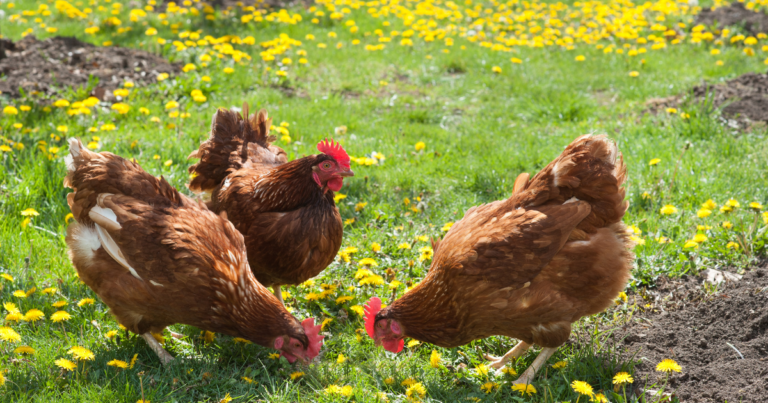
Even today, when “cage-free is the world’s minimum requirement,” the procurement situation for flat-fed eggs in Japan is not something to be optimistic about. However, Bourbon, a company that got its start at the time of the Great Kanto Earthquake, is understandably determined to be a steadfast pioneer in sustainability for the sake of livestock animals, and for the sake of children and the planet that will survive the harsh environment. With the animals above all in mind, we look forward to Bourbon’s leadership in creating a sustainable and ethical food industry.