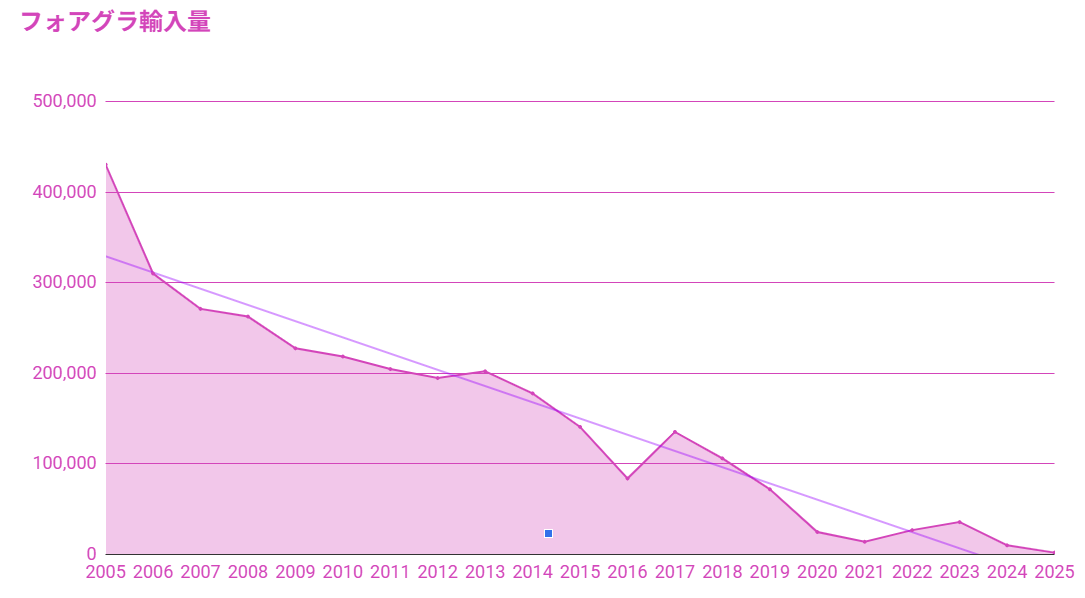


Trade statistics for 2025 are now available. Let’s take a frightening look at the volume of foie gras imports.
1765 kg
This is well below the 9,831 kilos in 2024; in 2025, the number of birds was 2,942 in terms of number of birds, a reduction of 13,443 sacrifices.
The reason is not so positive. It was the suspension of imports due to avian influenza.
France has begun vaccinating against avian influenza in 2023, so imports have been suspended entirely. The remaining imports are from Hungary, Canada, and Bulgaria, which have also been under import suspension measures due to frequent outbreaks of avian influenza.
Hungary has suspended imports until September 04, 2025. Canada’s suspension was lifted once in 2025, but was lifted again. Bulgaria has also had outbreaks since 2023, and import suspensions have not been lifted except in some areas.
Therefore, it is difficult to determine from trade statistics the actual level of Japanese willingness to consume it. However, it is likely that the ingredient foie gras will continue to enter Japan in the future, as imports are being made whenever the import suspension is lifted.
Wholesalers, hotels, restaurants, and food retailers should permanently discontinue handling foie gras for the following reasons
No active needs.
Foie gras was imported zero for five months in 2025. But we never hear of any problems due to lack of foie gras. The same is true in the past. There are no reports of people being in trouble for lack of foie gras. It’s okay not to have it. Wholesalers are not so dependent on foie gras in the first place, hotels and restaurants can make delicious dishes with other ingredients, and food retailers can make enough sales with other products instead of foie gras, which rarely sells.
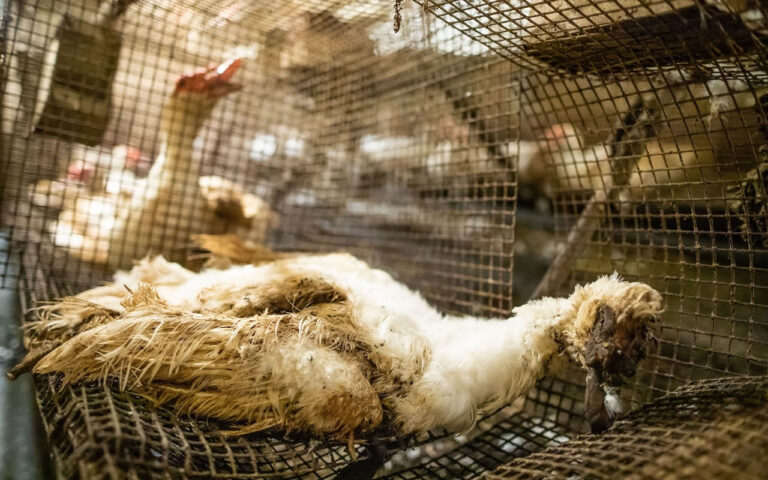
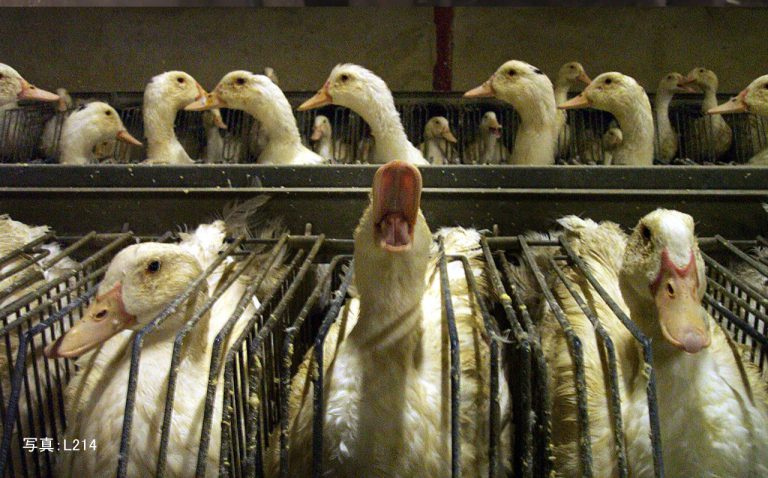
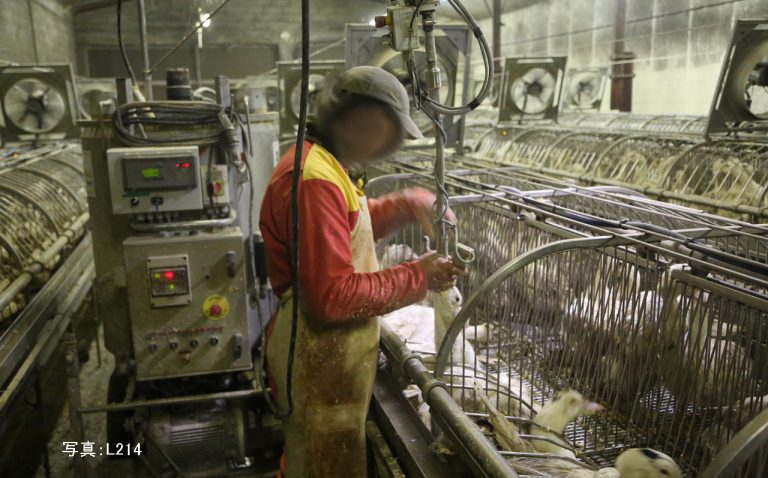
Foie gras is an inherent form of intentional abuse.
Other livestock products also go through a cruel production process, but while abuse is not a good idea and can be remedied somewhat, this is not the case with foie gras. Foie gras is the result of deliberate animal abuse, and without that process, fatty liver would not be foie gras.
Foie gras is bad for you.
It is a very fat- and calorie-dense food; it also contains saturated fat. One hundred grams of foie gras contains 462 calories, and the main major nutrient in foie gras is fat, which accounts for more than 85% of its calories*1.
Unstable goods
Japanese companies place a great deal of importance on “always having product on hand. That is why there is a lot of food loss. If that is the case, they should stay away from unstable ingredients like foie gras, which are subject to the bird flu. Avian influenza did not occur so frequently in the past, but it no longer continues to occur incessantly due to the density and severity of factory animal agriculture. There is no need to bring such things from abroad.
Companies, hotels, and restaurants do not voluntarily do “good”. We urge everyone who reads this article to please, if you see a hotel, restaurant, or retailer that sells foie gras, to say “foie gras is cruel, please stop handling it” in order to further reduce the sacrifice of the animals and keep the sacrifice of foie gras to zero.