
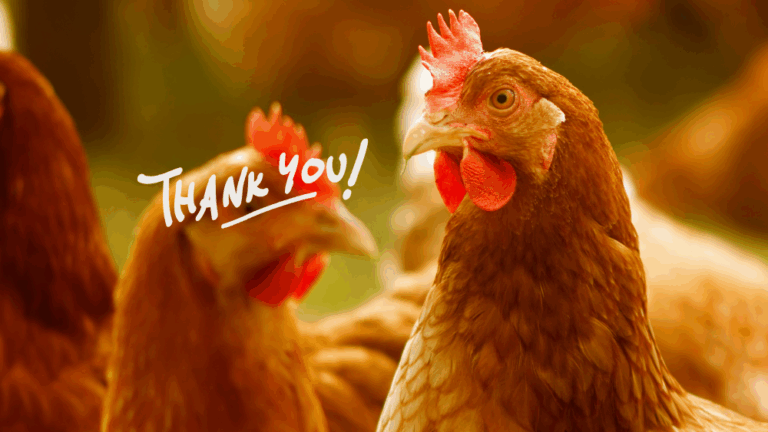
A new stage following the abolition of pregnancy stalls
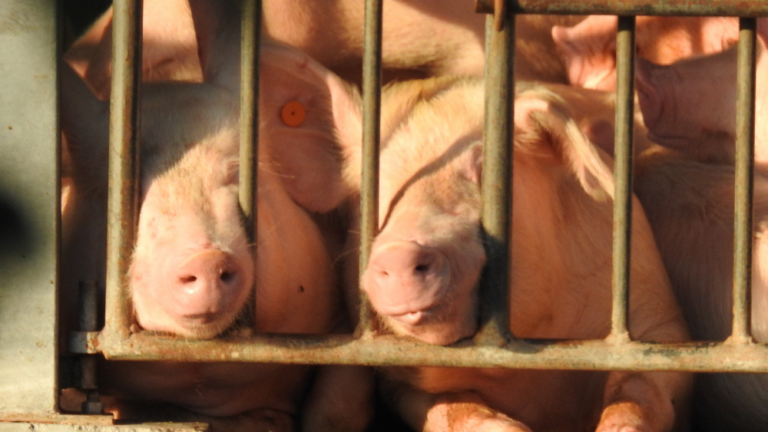
Starzen has long announced a policy of phasing out the use of “gestation stalls,” in which sows are confined to metal stalls during gestation where they cannot move, and is one of the meat companies in Japan that has made a head-on commitment to animal welfare.
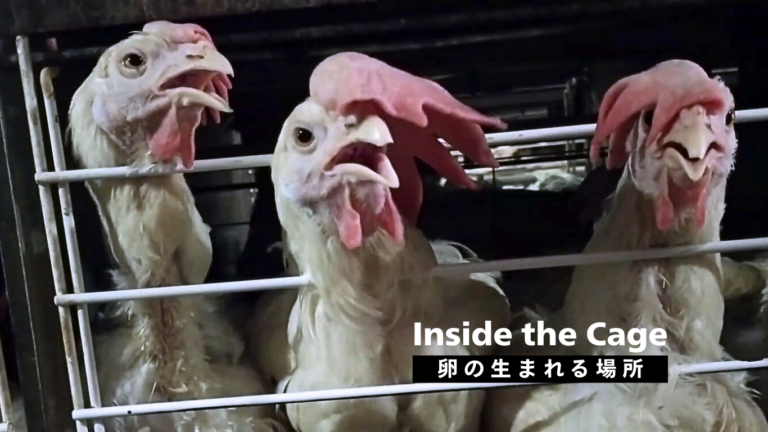
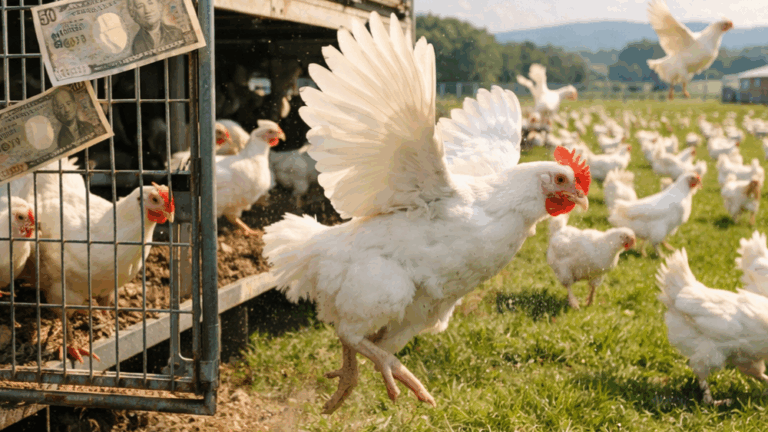
Furthermore, in Starzen Corporation’s “Integrated Report 2025,” released in 2025, the company clarified its policy on “cage-free” initiatives. This is an epoch-making reference for a meat company, and the fact that this initiative was revealed this year, when cage-free in Japan, especially in hotels, is becoming a global trend, will have a significant impact on the development of animal welfare in Japan.
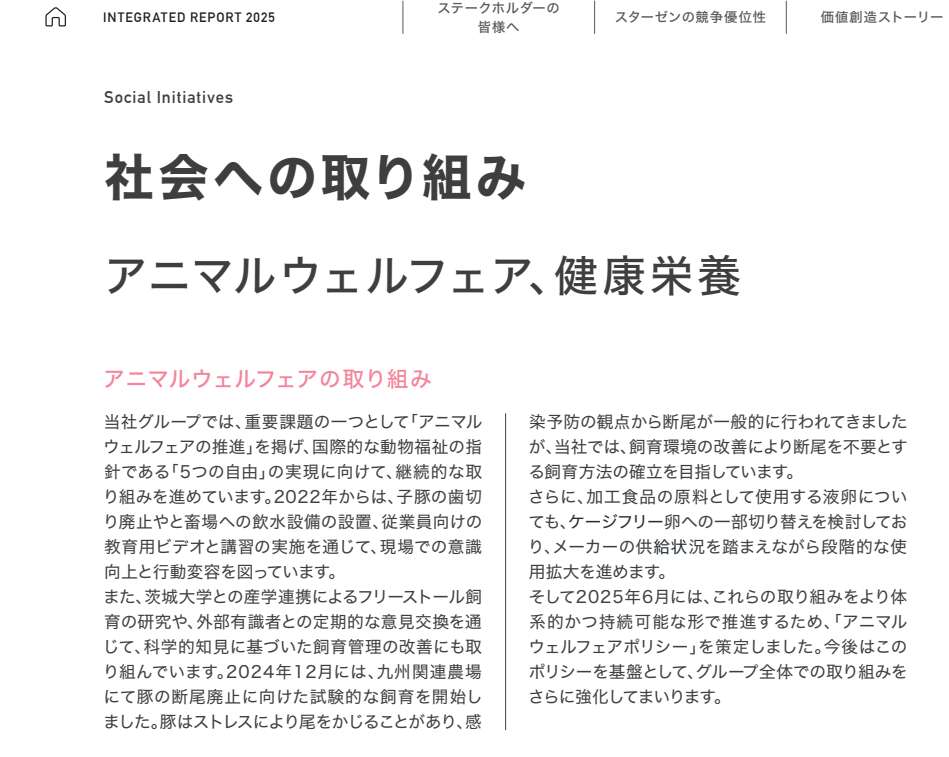
This is an indication that the company is aware of the ethical and sustainable nature of its entire supply chain, and that animal welfare is more than just compliance with laws and regulations and CSR. The Animal Rights Center regards the announcement of a cage-free policy on eggs (egg-laying hens) by a major meat industry company as a groundbreaking step forward.
Chihiro Okada, President of the Animal Rights Center, said, “Food companies in all sectors of the world have publicly announced their commitment to cage-free eggs, and so have meat companies. We are grateful to Sturzen for taking animal welfare seriously for all the livestock products they use, and for their decision to publicize their egg initiatives and work together on the path to solving the problem of cage-free eggs. I hope that other food and meat companies will follow this positive and good initiative.” The company also commended the decision of StarZen to go ahead with the cage-free solution.
Significance of meat companies talking about “cage-free”
Consumers, by the way, may have a hard time visualizing the relationship between the meat processing industry and eggs. Stürzen, a nationally known manufacturer and seller of ham and sausage, uses “liquid eggs” in some of its processed foods. Liquid eggs are liquid eggs that have been cracked and stirred for processing purposes, and are distributed in the form of whole eggs, yolk-only eggs, and sweetened products. In most food processing, liquid egg is an ingredient used to swell and coagulate foods, rather than to add egg flavor to them. In fact, liquid eggs are indispensable to the Japanese food industry in a way that is unmatched anywhere else in the world. In fact, about half of the eggs distributed in Japan are used in processed products. Liquid eggs are used in all kinds of Japanese food products, including fish paste, baked goods, and noodles, just to name a few. In the past, liquid egg production usually involved processing out-of-spec eggs that were not suitable for use in packaged eggs sold in supermarkets. In other words, the production of liquid eggs from heirlooms cannot be successfully carried out unless the number of heirloom eggs distributed in shells is stable. Conversely, when the demand for liquid eggs becomes visible, it is an important factor in stimulating the overall production of heirlooms.
Until now, the egg, food service, and retail industries have mainly led the way in the cage-free (i.e., egg-laying hens are not confined in cages) approach. However, despite being a meat company, Stasen has decided to take on the issue of welfare of “other livestock breeds” such as eggs, and has developed a corporate ethics that comprehensively covers the whole animal welfare issue. This is an example of how a food company that handles eggs, even in small quantities, should be, and it shows the essential point of view that neither animal welfare nor sustainability can create a virtuous cycle unless it is addressed comprehensively.
In the field of livestock production, there is a tendency to divide animal feeding patterns and issues by species, such as pigs, chickens, and cattle, but the principles of animal welfare are inherently common across species.
Creating an environment that alleviates the suffering of animals and allows for natural behavior is a principle that applies to all industrial animals and is the foundation of sustainability.
This attitude is suggestive for the meat industry and for sustainable management as a whole. A sustainable virtuous circle can only be created when animal welfare is not limited to a few CSR themes, but is integrated across the entire supply chain, including procurement, production, sales, and consumption. The public disclosure of Stürzen’s cage-free initiative can be positioned as the first step in this chain.