
The Pride of a Long-Established Brand: Barn-Raised Eggs
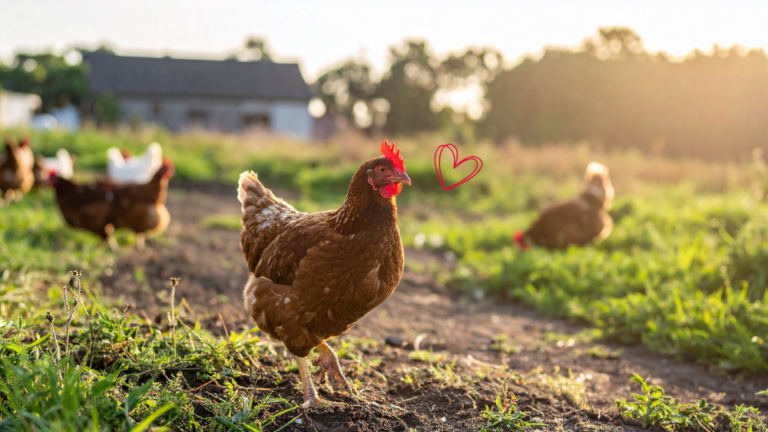
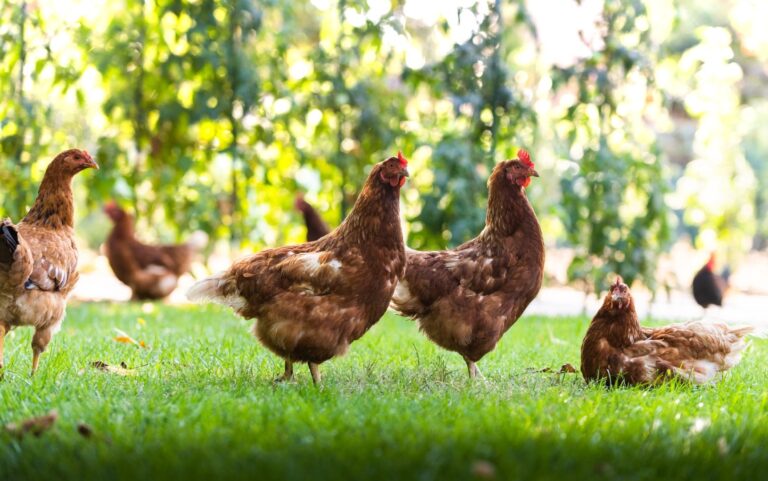
The confectionery industry is garnering attention with developments such as Meiji Holdings’ publication of its international cage-free commitment. It may come as a surprise, but the long-established confectionery manufacturer Colombin Co., Ltd. has been producing and selling sweets using barn-raised eggs as a matter of course for approximately 15 years. Currently, they continue to procure several percent of their total egg supply (confirmed at 2–3% for 2026) from barn-raised sources, and the variety of products using these eggs is increasing.
The use of barn-raised eggs began with a commitment to quality ingredients.
Colombin introduced barn-raised eggs approximately 15 years ago. The initiative was sparked when the company began beekeeping and decided to focus not only on honey but on the quality of other raw materials as well.
A representative product of this effort is their Baumkuchen made with barn-raised eggs. Baumkuchen is a confection that requires a large quantity of eggs, and by using barn-raised eggs, Colombin highlights its commitment to ingredients as a key product feature.
In recent years, the variety of products using barn-raised eggs has grown through the adaptation of existing items.
Achieving 2–3% of total egg usage is a significant milestone.
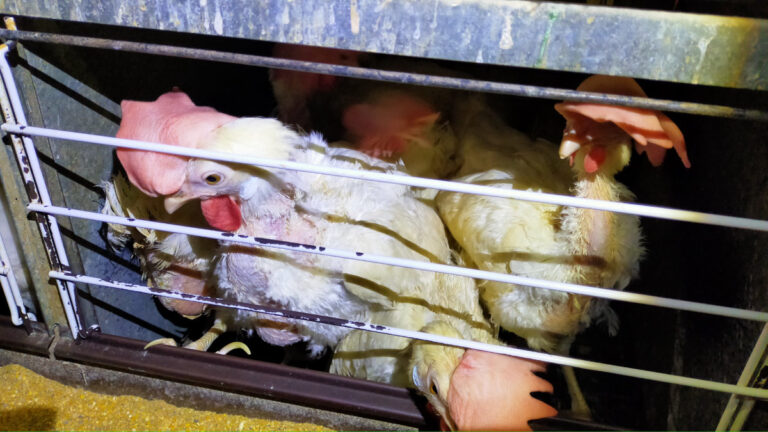
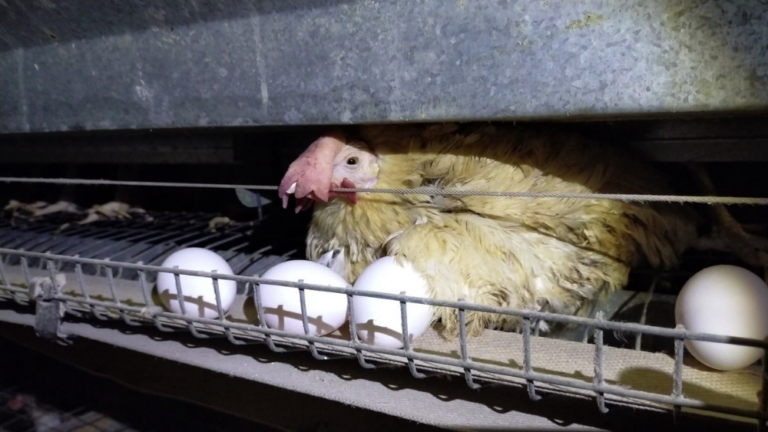
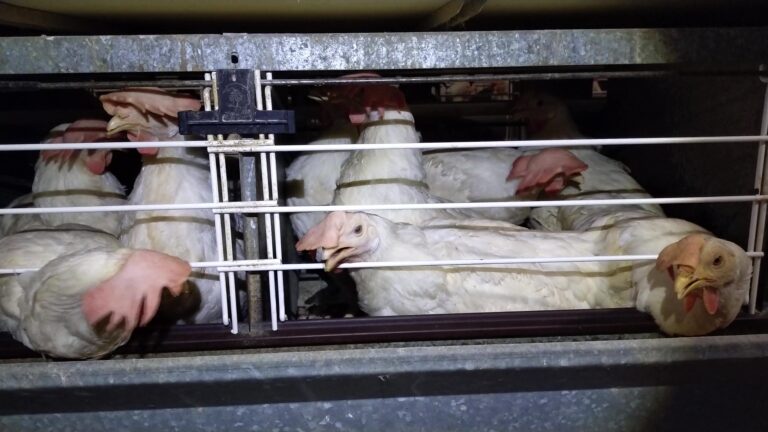
In Japan, cage rearing remains the mainstream, and transitioning to cage-free eggs is a challenge for many food companies.
Under these circumstances, Colombin’s long-term use of barn-raised eggs and its maintenance of a steady procurement ratio is an initiative that warrants praise from an animal welfare perspective. There is no doubt that the dedication of Japan’s long-established brands—not limited to confectionery—in supporting cage-free poultry farming has served as the foundation for animal welfare today.
The Animal Rights Center welcomes these ongoing efforts and looks forward to the further expansion of barn-raised egg usage in the future.