
I worked here for nine months.
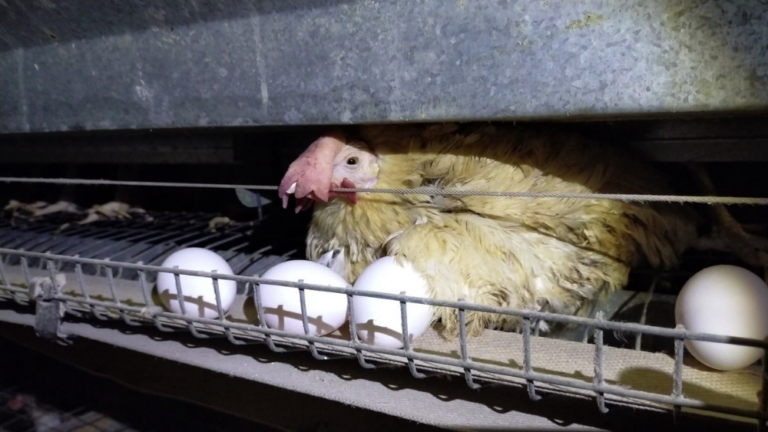
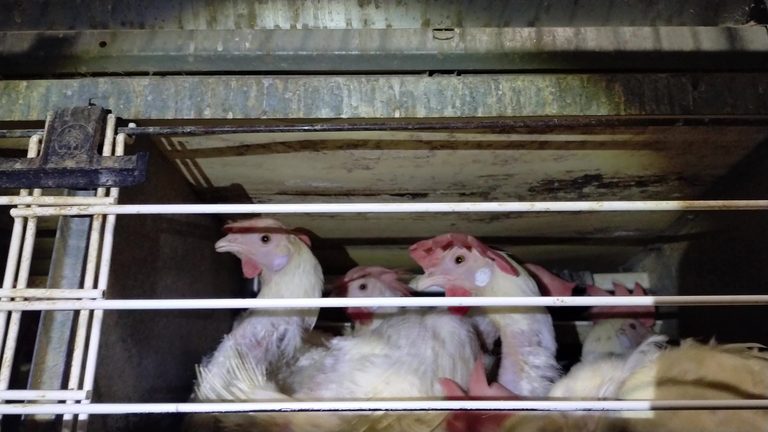
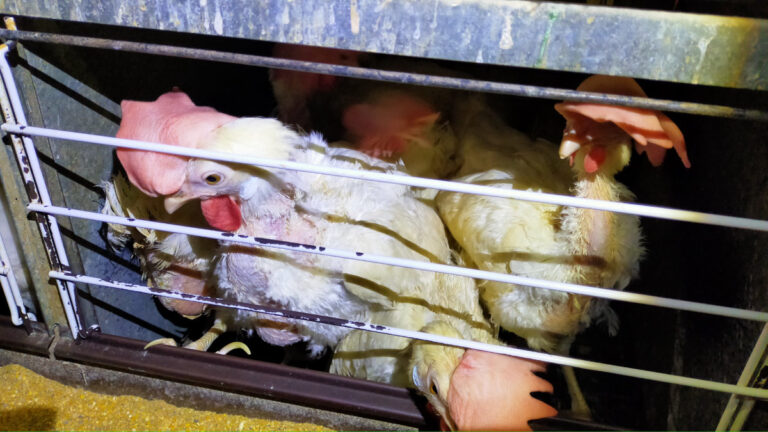
This was an egg farm using the “caged housing” system common in Japan. One hen house held 35,000 birds, with six hens placed in each cage. The floor space per hen was just 20 cm square. It was visibly, painfully cramped.
It was heartbreaking to think that these hens would sleep, eat, and wake up in a place like this for their entire lives.
A coworker who started around the same time as me said that when they first entered the hen house, they were shocked, thinking, “Six hens in a space like this?”
Even among employees who had worked there for a long time, some would say, “It’s pitiful, isn’t it? A year and three months in a space that cramped.” I believe it’s a perfectly natural reaction to see caged housing as a cruel method.
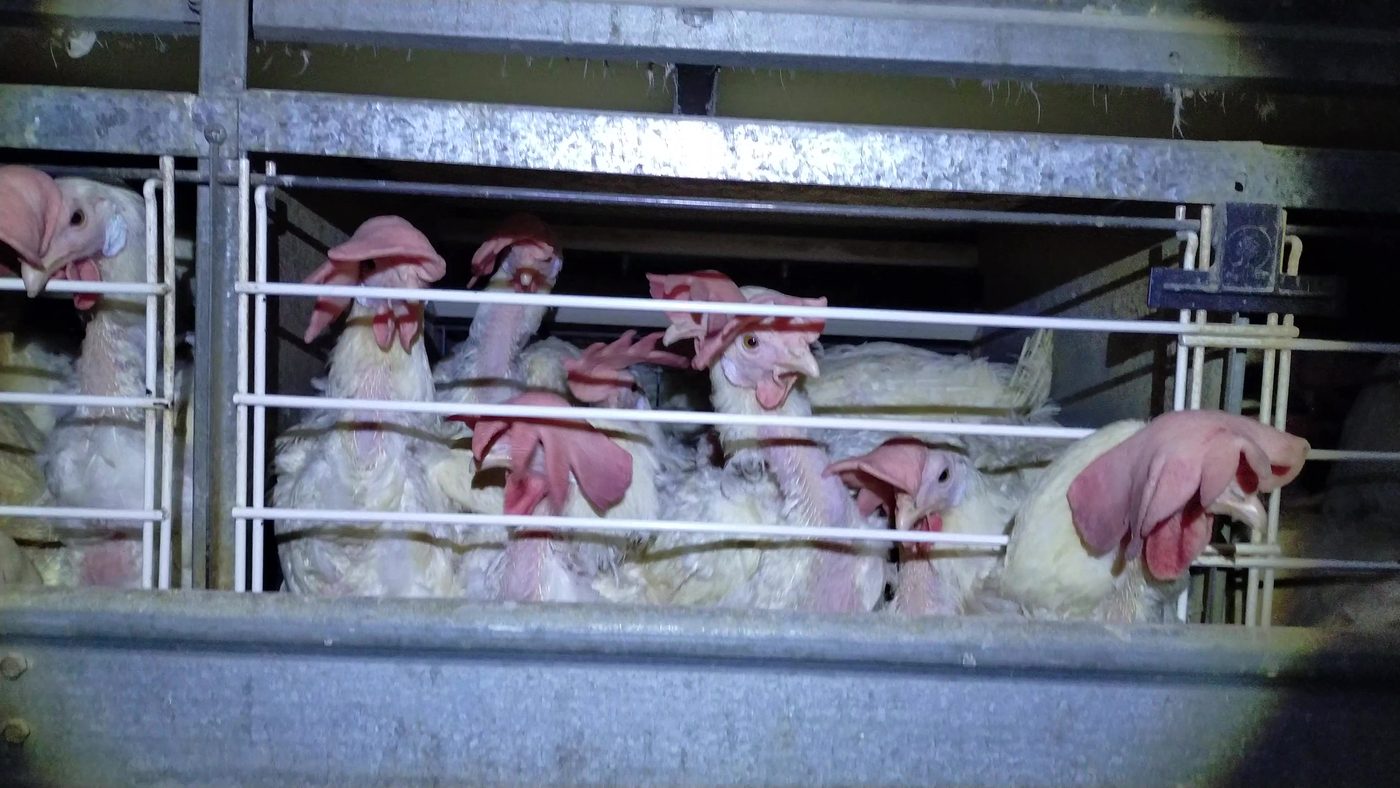
1. Cramped Cages
Of everything I found troubling, what I felt was most appalling was the “caged housing” system itself. Some of the employees I worked with would say, “People call it pitiful that they’re confined, but only the hens themselves know whether cages or free-range housing makes them happier.” But I don’t believe that’s true.
Hens in cages cannot spread their wings or stretch their bodies. The wire floors are angled so that eggs roll easily, and the hens spend their entire lives standing on this surface. Because they cannot walk on soil or scratch at the ground, their claws sometimes grew more than 3 cm long.
They cannot dust bathe, either. I repeatedly saw hens, nearly buried beneath other hens in the cramped cages, go through the motions of an imitation of dust bathing. Even though this only wore their feathers down against the wire mesh without actually cleaning their bodies, they would repeat the motion of gathering imaginary dust and rubbing it onto themselves for long stretches of time. However, this imitation of dust bathing, which was common early on, became less frequent as the hens aged. The older hens seemed to lose their curiosity and hope, and appeared to be gradually losing their minds.
Hens have emotions and memories.
At first, whenever I approached, the hens would panic and flail inside their cages in fear. But as I kept working there, they came to recognize me and stopped reacting this way. Some people say hens forget things after three steps, but that isn’t true. When I picked up a hen that had grown too weak to stand in order to give it water, it would be wary the first time. But the second time, it seemed to remember me and would begin drinking right away, as if it had been waiting.
2. The Shipping Process
When you pick one up, you realize that a hen is a very small creature weighing less than 2 kg. It was painful to watch these hens being handled violently during the “shipping process” used to send them to the slaughterhouse.
They were grabbed by the neck or a single leg, dragged out of their cages, and either slammed into crates or thrown in. It was as if they were being treated as if they were no longer of any use. Vegetables and fruit that can no longer be sold if bruised are treated with far more care. No matter how roughly a hen is treated, once it becomes meat, no one can tell. In fact, I was once told, “It doesn’t matter if a bone breaks.”
According to one employee, “Other farms are much worse. Some places snap their bones outright.” Given how thin the profit margin is on shipping hens that have finished laying, it seems unlikely that any farm exists where each bird is carefully carried by hand, one at a time.
3. Compassion
That said, the people working at the farm were not cold-hearted. Everyone had an ordinary sense of compassion. During a break, when a story came up about someone slaughtering and eating a hen at this farm in the past (the method at the time was reportedly holding the hen by its legs and striking its head against the ground), one employee said, with genuine sorrow, “That’s so pitiful.” Yet that same employee also mentioned that during the daily rounds, they would check for dead hens “by kicking the cages” (to identify unmoving bodies). Another employee who had said, “It’s pitiful, isn’t it,” also said, “When it comes to shipping, I don’t care, I just grab them by the leg and pull.” When a heat wave caused a large number of deaths, and I said, “It’s awful that so many died,” one employee responded, “When this many die, it starts to feel like they’re just objects, and you stop feeling anything.”
At egg farms, a single person manages tens of thousands of birds. I believe that constantly looking at cramped cages, disposing of rotting corpses, and carrying out violent handling as part of the daily routine gradually numbs one’s capacity for compassion.
4. Animal Welfare
I proposed to the company that, since the treatment during shipping amounted to abuse, everyone should study animal welfare together, but this was rejected.
The president said, “If we’re the only ones implementing animal welfare, we’ll be at a disadvantage.” Since animal welfare standards are not legally mandated in Japan, I understand the argument that costs would rise if only one company made the effort. However, not throwing or slamming hens should be basic common sense, something that goes without saying even before animal welfare enters into it.
The employees on site didn’t even know the term “animal welfare.” One employee told me that after I asked the company to adopt animal welfare measures, they looked it up online. They also said, “The president probably knows about animal welfare but doesn’t tell the employees because it’s inconvenient for him.” Being denied knowledge, never taught how to handle animals properly, and made to participate in abusive acts regardless of one’s own will, gradually becoming desensitized to it — seen from this angle, I feel that animal issues in livestock farming are also a “human rights issue.”
I continued to propose improvements afterward, but they were not accepted, and I decided to leave the company.
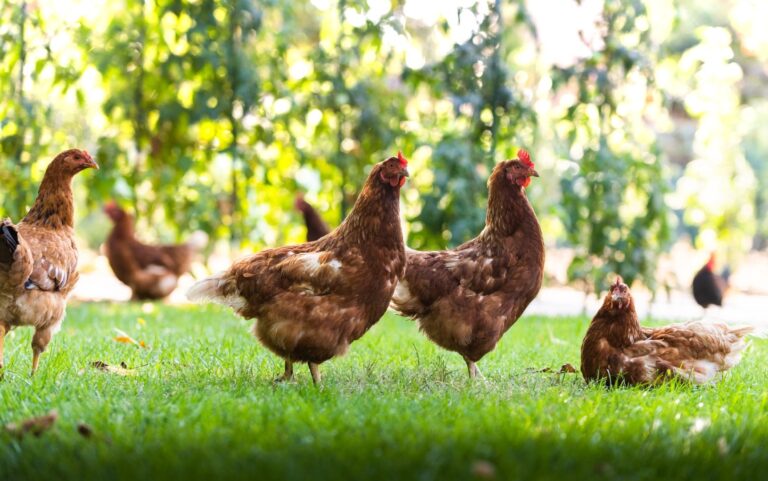
When I told an employee in his seventies that I was leaving, he said, “You just have to accept it as it is,” and “If we switched everything to cage-free, we’d need more employees, and eggs would get more expensive.” When I mentioned that hens can become attached to people, he murmured, “I see… maybe that’s true with cage-free.”
5. In Closing
I hope that more people will pay attention not only to eggs themselves, but also to the hens that lay them. Every time I see eggs lined up in the supermarket’s egg section, the hens I witnessed come to mind. I hope that, someday, we will live in a society where eggs from hens treated this cruelly no longer appear on supermarket shelves.