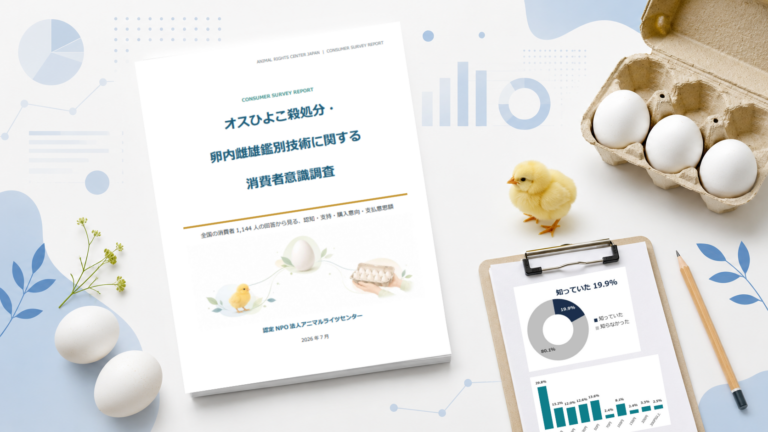

Considering the Culling of Male Chicks from the Perspective of Consumer Self-Determination Rights
In egg production facilities, male chicks that are not used for egg collection are culled in large numbers every year. However, in Japan, consumers have almost no ability to choose eggs that have not gone through such a production process.
We have received a contribution from attorney Atsuko Aoki, who examines this issue from the perspective of consumer self-determination rights.
This article is based on the author’s personal views and has been written as a problem statement that includes legal considerations.
Author Introduction: Atsuko Aoki (Attorney)
Motivated by the desire to “use the law to create systems that enable animals and humans to coexist without undue burden,” she aspires to be an attorney working on animal issues. Currently active at Ayase Kawasemi Law Office.
Full Contribution “Chick Comment”
To collect eggs, only females are needed—.
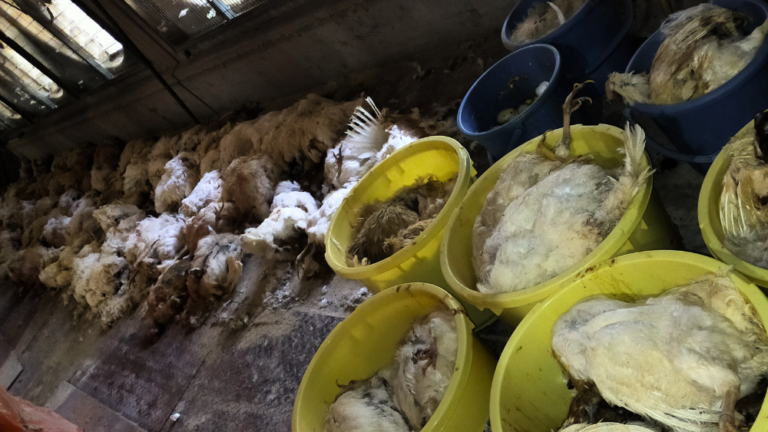
For this reason, male chicks of egg-laying hens are culled shortly after birth.
The number reaches approximately 100 million per year in Japan alone.
Generally, when the topic of “animal rights” comes up, it tends to be received as “humans matter more than that.” But are human rights—that is, the rights of humans—actually being properly protected?
From such a question, I wrote “Egg Human Rights Theory” (published in Animal Law News Issue 55).
This time, I would like to discuss the underlying perspective from the viewpoint of consumers.
Consumers would never imagine that male chicks are being culled in the egg production process. In the current egg collection system, male chicks cannot be used for egg collection and are not economically viable to raise, so they are culled.
Regarding meat, many people can at least imagine to some extent that “animals are killed to become meat.”
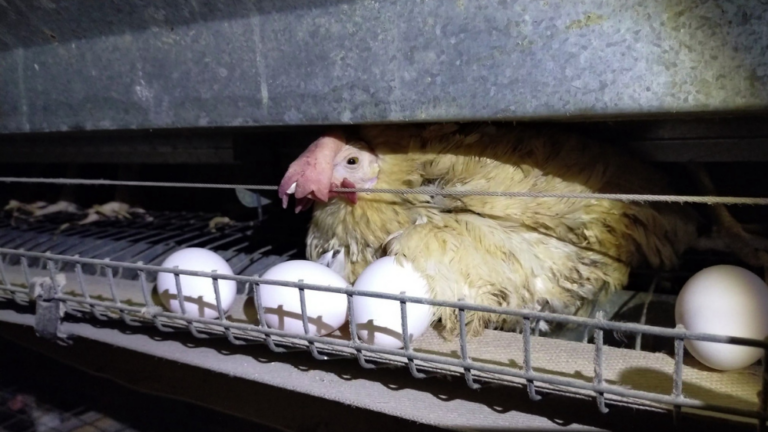
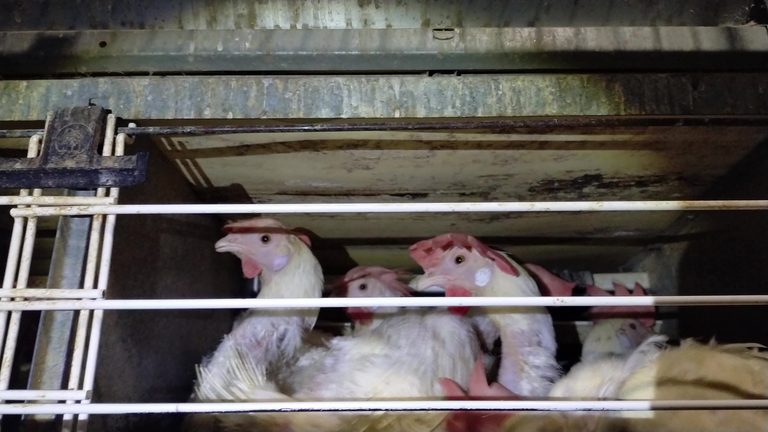
However, I believe most people do not assume that animals are raised in such deplorable conditions—confined in cages so narrow they cannot even move—before becoming meat.
Moreover, it is only natural to find it hard to believe that in the egg production process—which was thought to be the furthest removed from bloodshed—those adorable chicks are being killed in large numbers immediately after birth.
Even more seriously, in modern Japan, consumers have almost no means to choose eggs that have not involved the culling of male chicks.
As is true for livestock production in general, the only current options are to raise chickens yourself and collect eggs, or to choose not to eat meat or eggs.
In other words, ordinary consumers are placed in a situation where they have no choice but to participate in the culling of male chicks every time they eat eggs.
Those who are unaware of male chick culling, as well as those who learn about it afterward, are not given any practical alternatives. Ultimately, consumers face only the difference between “being made to participate unknowingly” or “being made to participate knowingly.”
Can this be said to be a situation where consumer human rights are being protected?
This is where I focused on the right to self-determination, which is considered to be included in the right to pursue happiness under Article 13 of the Constitution.
Can consumers truly be said to be purchasing eggs with full understanding?
“I don’t want to buy eggs that involve the culling of male chicks”—there are probably very few people who think this way. Rather, there are likely many who would think, “If such eggs existed, I would choose them instead.”
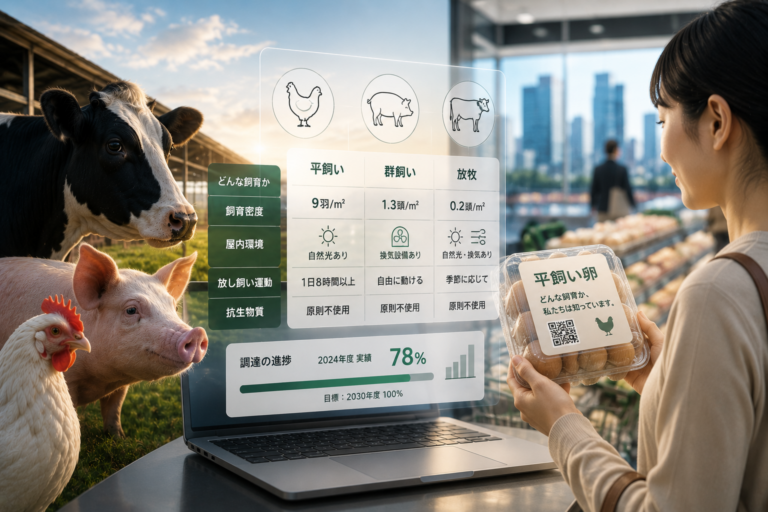
We routinely look at various information when buying food products and make our choices accordingly.
It is perfectly normal to choose products based on one’s own values and circumstances, such as country of origin, cultivation methods, allergen labeling, and genetically modified organism labeling.
Yet there is almost no information available on “whether the eggs were produced on the premise of male chick culling,” nor are there options to avoid such eggs.
I believe this also needs to be considered from the perspective of consumer self-determination rights.
Of course, some may argue, “If you don’t like it, just don’t eat eggs or livestock products.”
But is that truly a realistic choice?
For example, if one were raised from childhood without consuming livestock products in accordance with the Jain precept of ahimsa (non-violence toward living beings), it would be possible to maintain that throughout one’s life.
However, in Japan, most people grow up eating not only eggs but livestock products in general.
Starting with baby formula, then baby food, school lunches… Livestock products are deeply embedded in the standard Japanese diet.
Furthermore, consuming livestock products along with vegetables and rice as necessary nutrition is recommended in Ministry of Health, Labour and Welfare guidelines and school education.
Many people were taught in school, “Do not leave food on your plate” and “Eat with gratitude for the lives given.”
While society as a whole has laid out such a path, there is insufficient explanation about the reality that “approximately 100 million male chicks are actually culled every year for eggs,” and options to purchase eggs while avoiding this are virtually nonexistent.
In such a situation, being told “don’t eat if you don’t like it” or “don’t complain” seems far too harsh.
I am not saying “don’t eat eggs.”
At the very least, I hope for a society where people who want to choose “eggs that do not involve the culling of male chicks” can make that choice.
Having options—is that not the first step toward self-determination rights?
The current treatment of livestock animals, as symbolized by the culling of male chicks, has normalized an excessively harsh reality. Can we truly say this is a society we can proudly explain to our children?
I am opposed to showing children the cruel reality of livestock animals as a “lesson about life.” Rather than burdening children with such issues, I believe it is the responsibility of adults to first take the initiative to learn about the reality, work toward improvement, and be able to explain livestock practices to children without shame.
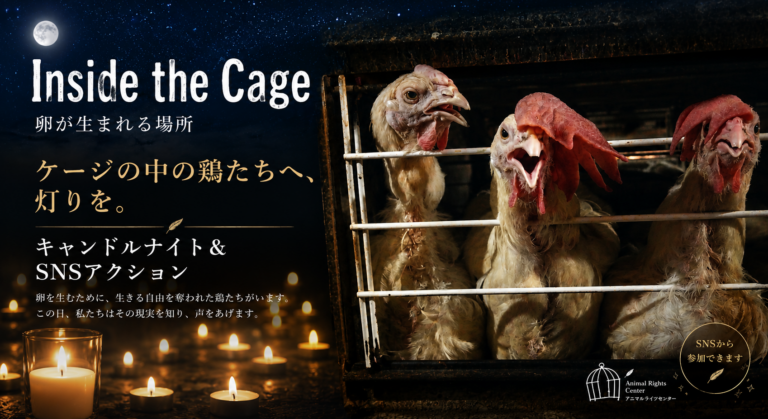
Furthermore, while I have focused on the culling of male chicks in this discussion, the surviving females do not lead happy lives either. Females raised as egg-laying hens are confined in narrow cages with restricted freedom, continue laying eggs while placing enormous strain on their bodies, and are disposed of once their role is complete.
I hope you will also understand that the issues surrounding egg collection are not limited to the culling of male chicks.
Finally, I have my own thoughts regarding why legal reforms are slow to progress.
For example, even unnecessary items left in a room can eventually seem normal and cease to bother us once we become accustomed to seeing them every day.
Social issues may be somewhat similar.
When something is there every day, it becomes normalized before we know it.
That is precisely why I believe it is important to continue repeatedly conveying that “this is an important issue.”
Forgotten issues do not change.
That is why I want to continue conveying this issue, no matter how many times it takes.
That concludes this Chick Comment.
At Animal Rights Center
We are working toward the abolition of male chick culling through awareness-raising activities, petition campaigns, outreach to hatcheries and government agencies, and research and promotion of in-ovo sex determination technology.
To change this issue, it is essential for each individual to learn about the current situation and speak up.
▼Sign the petition here
Support the Abolition of Male Chick Culling